Starlink Price Changes & Plan History: Complete 2020-2026 Timeline
On this page
Since SpaceX first launched its public "Better Than Nothing Beta" in late 2020, Starlink's pricing structure has evolved dramatically. What began as a simple flat-rate $99 monthly subscription with a $499 starter kit has transformed into a sophisticated, multi-tier pricing ecosystem encompassing residential bandwidth tiers, dynamic capacity pricing, pay-per-gigabyte mobile roaming, and enterprise maritime rates.
For prospective buyers and existing subscribers managing household or business budgets, tracking these cost adjustments reveals clear patterns in how SpaceX manages constellation capacity and network congestion. This comprehensive 2026 timeline details every major price adjustment, hardware change, and policy shift across Starlink's service history.
Historical Timeline of Major Starlink Price Changes (2020 - 2026)
| Year / Milestone | Hardware Kit Price | Monthly Service Fee | Key Policy & Tier Changes |
|---|---|---|---|
| Late 2020 (Beta Launch) | $499 (Round Dish) | $99 / month | Initial public beta offering unlimited data and uniform nationwide pricing. |
| March 2022 (Inflation Adjust) | $599 (New orders) / $549 (Deposit holders) | $110 / month (+$11) | First broad price increase attributed to post-pandemic inflation and supply-chain costs. |
| February 2023 (Capacity Pricing) | $599 | $90 / mo (High capacity) vs. $120 / mo (Congested) | Introduction of dynamic demand pricing; reduced rates in rural zones, raised rates in congested cells. |
| May 2023 (Roam Unbundling) | $599 | $150 / mo (Roam Regional) / $200 / mo (Global) | Starlink RV renamed to Starlink Roam; international roaming separated into a dedicated tier. |
| June 2024 (Starlink Mini & 50GB) | $599 (Mini Kit) | $50 / mo (Roam 50GB) / $165 / mo (Unlimited) | Launch of ultra-portable Mini hardware and low-cost entry-level 50GB metered plan. |
| 2025 - 2026 (Current Structure) | $599 (Gen 3 / Mini) / $2,500 (Flat HP) | $120 / mo (Residential) / $50-$150 (Roam) | Global rollout of Gen 3 Wi-Fi 6 kit, Standby Mode pause rules, and tiered ocean priority data. |
The Mechanics of Capacity-Based Dynamic Pricing
The most consequential shift in Starlink's business model occurred when SpaceX introduced capacity-based dynamic pricing. Because each low-Earth orbit satellite has a finite total throughput capacity (gigabits per second) that it can transmit to a specific geographic cell on the ground, high-density suburban areas quickly face network congestion:
- Excess Capacity Zones ($90 - $100/month): In sparsely populated rural areas and Midwestern plains where satellite beams have abundant unused bandwidth, Starlink offers discounted monthly service to attract new customers.
- Limited Capacity Zones ($120/month): In densely populated regions (such as the Pacific Northwest, US Sunbelt, and parts of the Eastern seaboard) where demand exceeds beam supply, subscribers pay standard rates to throttle adoption until additional Gen 2 Direct-to-Cell satellites enter orbit. Learn how capacity affects speed in our Starlink Slow Speed guide.
Hardware Price Evolution: From Heavy Subsidies to Cost Parity
When SpaceX initially shipped the original Gen 1 round terminal in 2020, company executives confirmed that each terminal cost nearly $3,000 to manufacture, meaning SpaceX took a massive $2,500 loss on every $499 kit sold.
Over three successive hardware generations, SpaceX's manufacturing engineering brought dish production costs below retail price:
- Gen 1 (2020-2021): $499 retail (Round dish with built-in motors and separate power supply).
- Gen 2 (2021-2023): $599 retail (Rectangular actuated dish; reduced production cost to under $600).
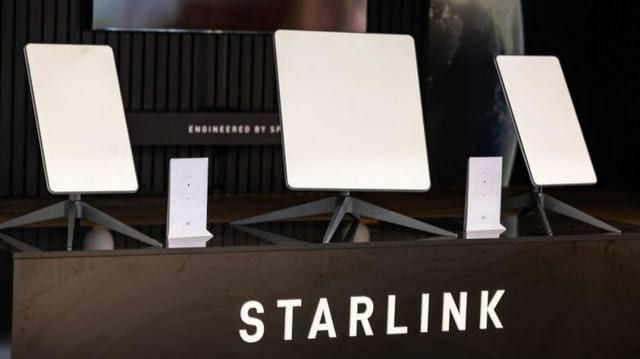
- Gen 3 Standard (2024-2026): $599 retail (Kickstand design with zero moving parts, integrated Wi-Fi 6 router, and lower failure rates).
- Starlink Mini (2024-2026): $599 retail (Integrated DC router, 2.4 lb weight).
- Flat High Performance (Current): $2,500 retail (Enterprise dual-receiver phased array).
Subscription Tiers & Current Monthly Costs (2026 Overview)
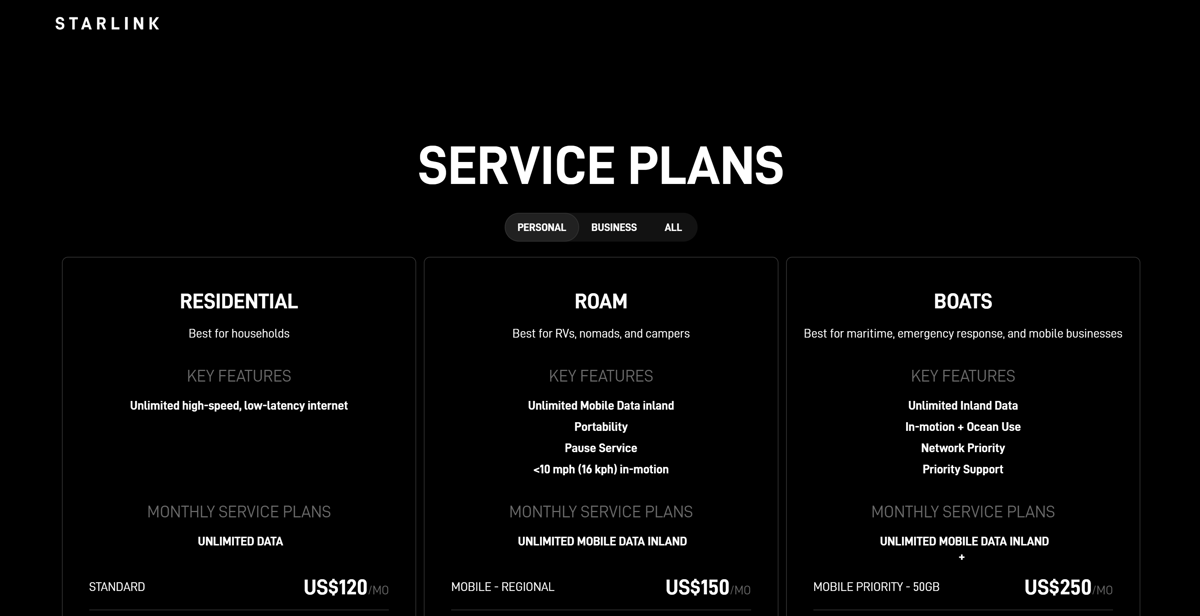
- Residential Standard ($120/month): Unlimited high-speed home data with standard network priority.
- Residential Lite ($80 - $90/month in select regions): Deprioritized residential data designed for budget-conscious rural households.
- Roam 50GB ($50/month): Metered travel plan for weekend campers and light nomads ($1/GB for additional data).
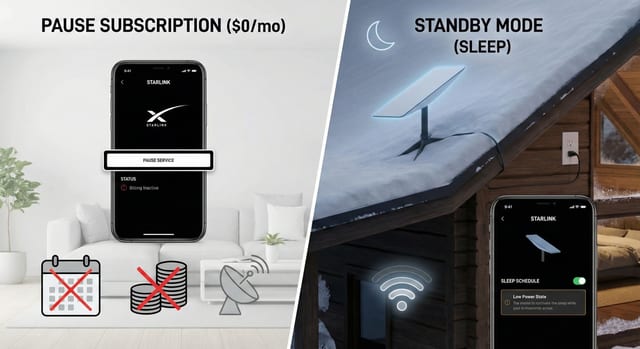
- Roam Unlimited Regional ($150/month): Full-speed portable connectivity across your home continent with the ability to pause service during off-seasons. Learn the difference between plan pausing and hardware sleep in our Starlink Pause vs. Standby Mode Guide.
- Mobile Priority ($250 - $1,000/month): In-motion highway transit, emergency response priority, and open-ocean maritime connectivity.
For detailed recommendations on selecting mobile kits and configuring off-grid power, read our Starlink for RVers Guide or visit our Plans & Pricing Hub.